

Understanding AI Search Visibility and How to Get Your Website Mentioned in ChatGPT, Gemini, and AI Overviews
Quick Answer
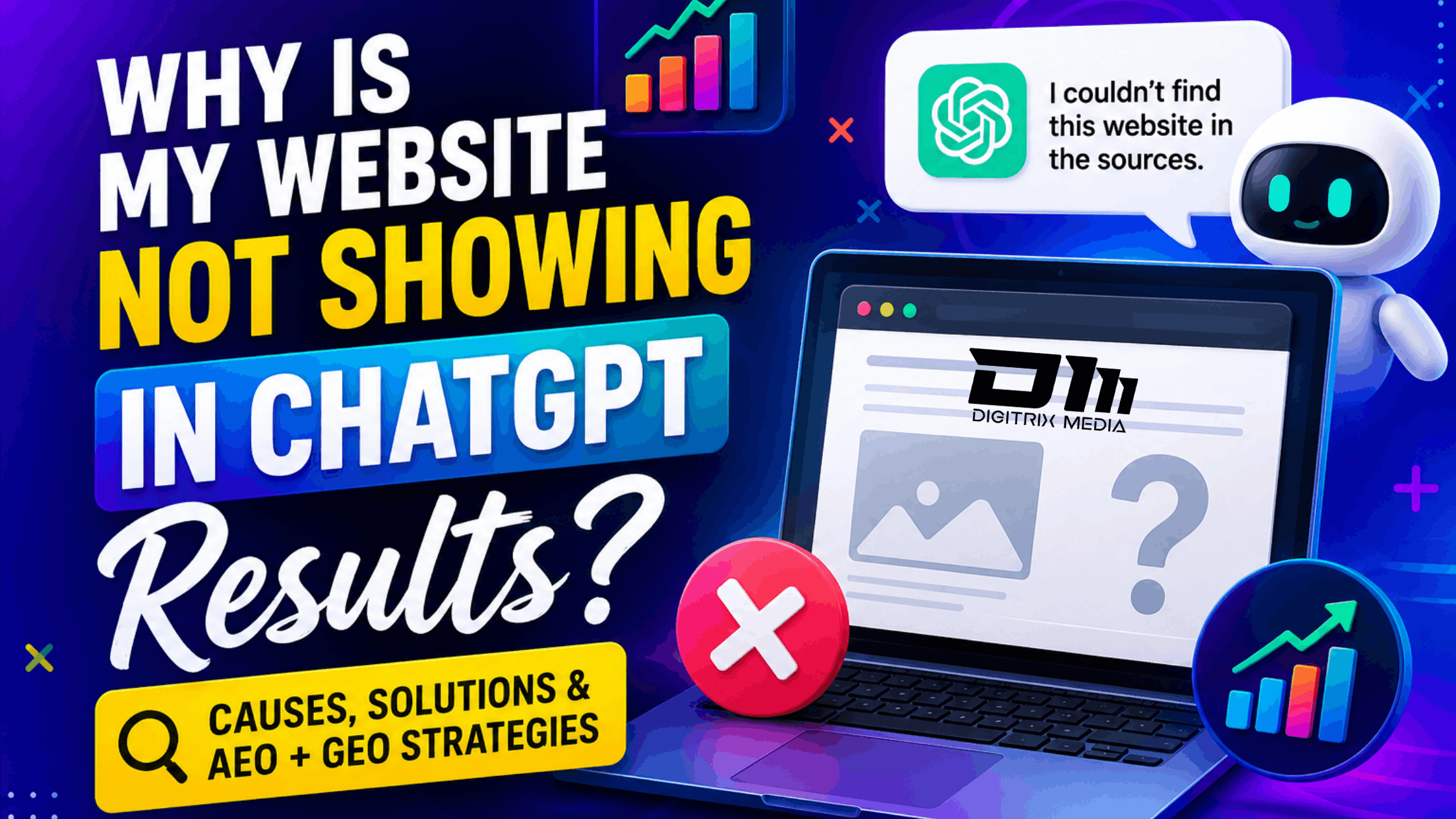
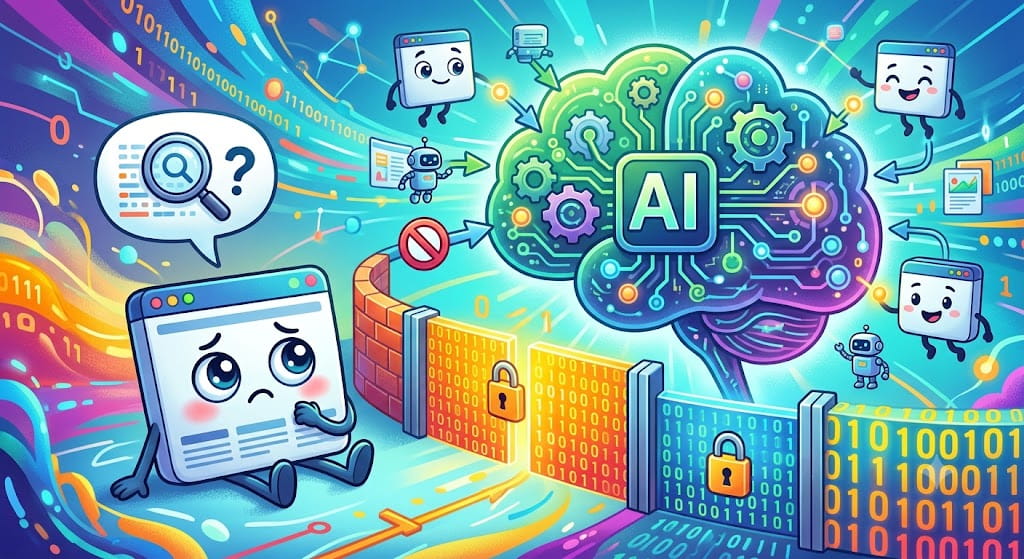
If your website is not showing in ChatGPT results, it does not necessarily mean there is a technical issue with your site. AI search systems such as ChatGPT, Google AI Overviews, Gemini, and Perplexity do not rank websites the same way traditional search engines do.
These platforms generate answers by selecting information from sources they consider trustworthy, relevant, authoritative, and easy to understand. If your content lacks topical authority, structured information, brand mentions, or clear expertise signals, it may not be referenced in AI-generated answers.
The good news is that improving your visibility in AI search often aligns with strong SEO, content quality, and authority-building practices.
Why Your Website May Not Appear in ChatGPT Results
1. Your Content Doesn’t Directly Answer User Questions
AI systems are designed to provide direct answers.
If your content focuses heavily on keywords while failing to answer real user questions, it becomes less useful for AI-generated responses.
For example, instead of writing:
“Digital marketing services for businesses.”
Create content that answers:
- What does a digital marketing agency do?
- How much do digital marketing services cost?
- Is SEO better than Google Ads?
- How can a small business generate leads online?
Content structured around questions and answers is significantly more likely to be cited by AI systems.
2. You Lack Topical Authority
AI models often prefer sources that demonstrate comprehensive expertise within a subject area.
A website with one SEO article is less likely to be referenced than a website with:
- SEO guides
- Technical SEO resources
- Local SEO content
- Link-building articles
- Case studies
- Industry research
The broader and deeper your content coverage, the more authority you build around a topic.
Example
A digital marketing agency publishing 50+ high-quality articles about SEO, PPC, social media marketing, AI search, and content marketing has a much stronger chance of being referenced than a website with only a handful of blog posts.
3. Your Brand Has Little Presence Across the Web
AI systems do not only evaluate your website.
They also look at signals from:
- Industry publications
- Business directories
- Review platforms
- Social media discussions
- Forums
- News mentions
- Guest posts
If your brand rarely appears outside your own website, AI systems may view it as less authoritative.
What to Do
Build digital PR campaigns, contribute expert insights, publish case studies, and secure mentions from relevant industry websites.
4. Your Content is Not Structured for AI Consumption
Large Language Models prefer content that is easy to extract and summarise.
Good structure includes:
- Clear headings
- Question-based subheadings
- Bullet points
- Numbered lists
- Definitions
- Concise answers
Instead of writing long walls of text, organise information into sections that can easily be quoted or summarised.
5. Your Website Lacks Strong E-E-A-T Signals
Google and AI systems increasingly value:
- Experience
- Expertise
- Authoritativeness
- Trustworthiness
Websites without visible expertise signals may struggle to appear in AI-generated responses.
Strong E-E-A-T signals include:
- Author bios
- Industry experience
- Client case studies
- Original research
- Testimonials
- Certifications
- Detailed company information
6. AI Systems Cannot Find Enough Evidence to Trust Your Content

Many websites publish generic content generated at scale.
AI systems are becoming better at identifying content that lacks:
- Original insights
- Unique examples
- Data
- Real-world experience
To stand out, create content that includes:
- Statistics
- Case studies
- Expert opinions
- Proprietary research
- Industry observations
The more unique information you provide, the more likely AI systems are to reference your content.
Does Traditional SEO Still Matter?
Yes.
Strong SEO remains the foundation of AI visibility.
Most AI systems use web content discovered through search engines, crawlers, partnerships, and indexed sources.
Key SEO factors still matter:
- Crawlability
- Indexation
- Internal linking
- Content quality
- Site authority
- Backlinks
- User experience
However, ranking on Google alone is no longer enough.
You must also optimise for AI-generated search experiences.
What is GEO and Why Does it Matter?
Generative Engine Optimisation (GEO) refers to optimising content so that AI systems can understand, trust, and cite it.
Traditional SEO focuses on rankings.
GEO focuses on mentions and citations inside AI-generated answers.
GEO Optimization Checklist
✓ Answer questions directly
✓ Create topic clusters
✓ Use structured headings
✓ Publish original research
✓ Build brand mentions across the web
✓ Add expert authorship
✓ Update content regularly
✓ Include statistics and examples
✓ Use FAQ sections
✓ Improve entity recognition
How to Optimise Your Website for ChatGPT Results
Create AI-Friendly Content
Focus on:
- Definitions
- Comparisons
- How-to guides
- FAQs
- Industry explainers
These formats are commonly cited by AI systems.
Build Entity Authority
AI models understand brands as entities.
Strengthen your entity profile by ensuring consistent information across:
- Website
- Social profiles
- Business listings
- Industry directories
- Press mentions
The more consistently your brand appears online, the easier it becomes for AI systems to recognise and trust it.
Publish Original Insights
Instead of repeating what everyone else says, share:
- Client results
- Industry observations
- Surveys
- Data analysis
- Experiments
Original information is far more likely to be referenced than generic content.
Add FAQ Sections
FAQs align perfectly with AI search behaviour.
Example:
Why isn’t my website showing in ChatGPT?
Your website may lack authority, structured content, topical depth, or sufficient external mentions for AI systems to consider it a reliable source.
Can SEO help me appear in ChatGPT?
Yes. Strong SEO improves discoverability, authority, and content quality, all of which influence AI visibility.
How long does it take to improve AI search visibility?
Results vary, but consistent content creation, authority building, and GEO optimisation can improve visibility over several months.
Common Myths About ChatGPT Visibility
Myth 1: Ranking #1 Guarantees AI Mentions
Not necessarily.
AI systems often cite multiple sources and prioritise usefulness over rankings alone.
Myth 2: AI Search Has Replaced SEO
False.
SEO remains the foundation of discoverability.
Myth 3: Publishing More Content is Enough
Quality, authority, and expertise matter more than volume.
The Future of Search is Visibility, Not Just Rankings
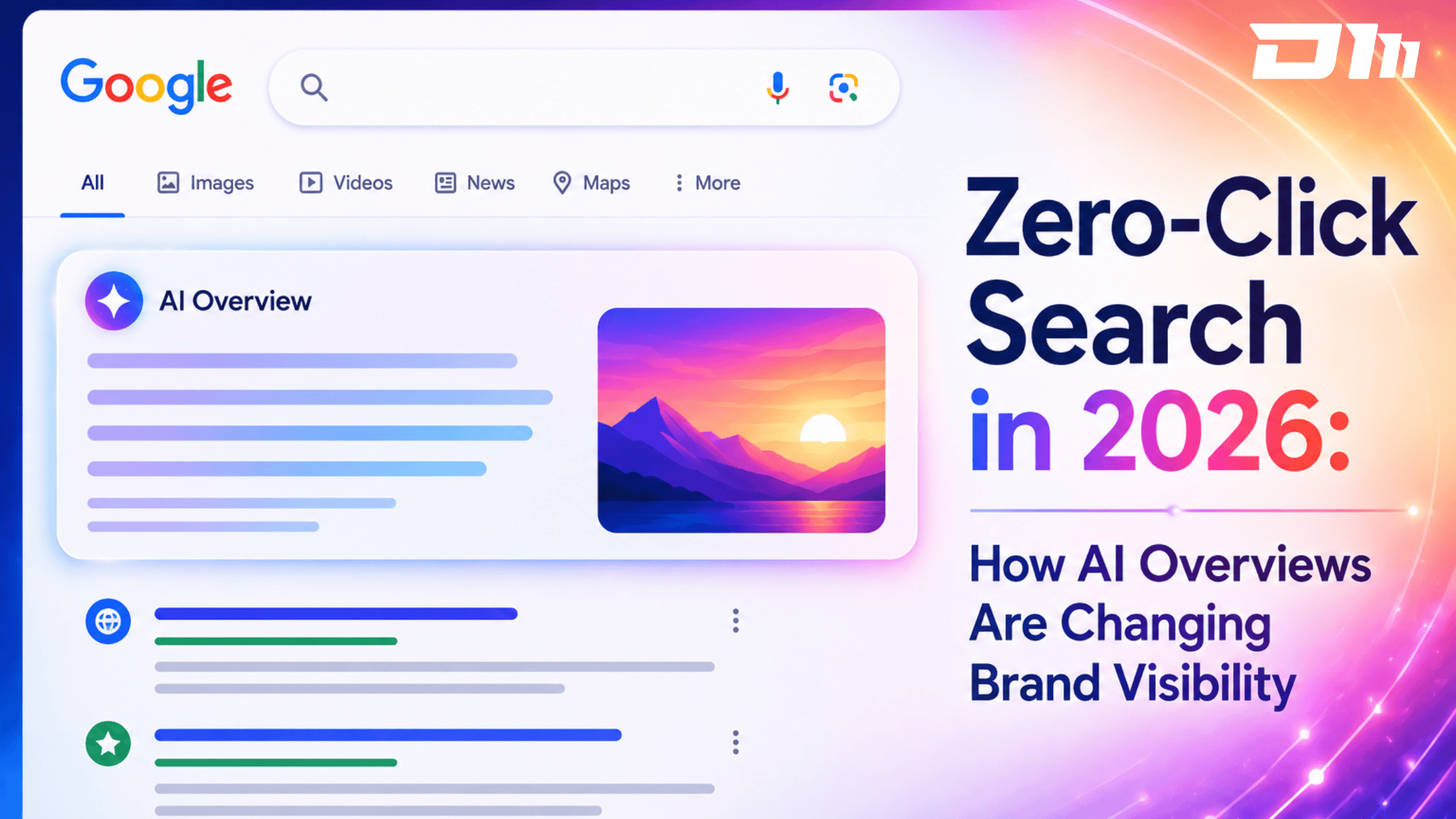
The rise of AI Overviews, ChatGPT, Gemini, and Perplexity is changing how users discover information.
Businesses that focus only on rankings may lose visibility even when they continue to rank well.
The new goal is to become a trusted source that AI systems want to reference.
That means creating content that is:
- Helpful
- Accurate
- Well-structured
- Authoritative
- Supported by real expertise
Websites that embrace both SEO and GEO are likely to gain the most visibility as AI-powered search continues to grow.
Conclusion
If your website is not showing in ChatGPT results, the issue is rarely a single technical problem. More often, it comes down to authority, content quality, brand recognition, and how easily AI systems can understand and trust your information.
By combining traditional SEO with Generative Engine Optimisation, building topical authority, and creating content that directly answers user questions, you can significantly improve your chances of being referenced in ChatGPT, AI Overviews, Gemini, Perplexity, and other AI-powered search experiences.
The businesses that adapt early will be the ones most visible in the next generation of search.